

Machu Picchu is not merely a destination for the camera — it is a once-in-a-lifetime subject, a place where mist, ancient stone, and mountain light converge in compositions that no studio could manufacture. A Machu Picchu photography tour teaches you not just how to capture it, but how to truly see it.
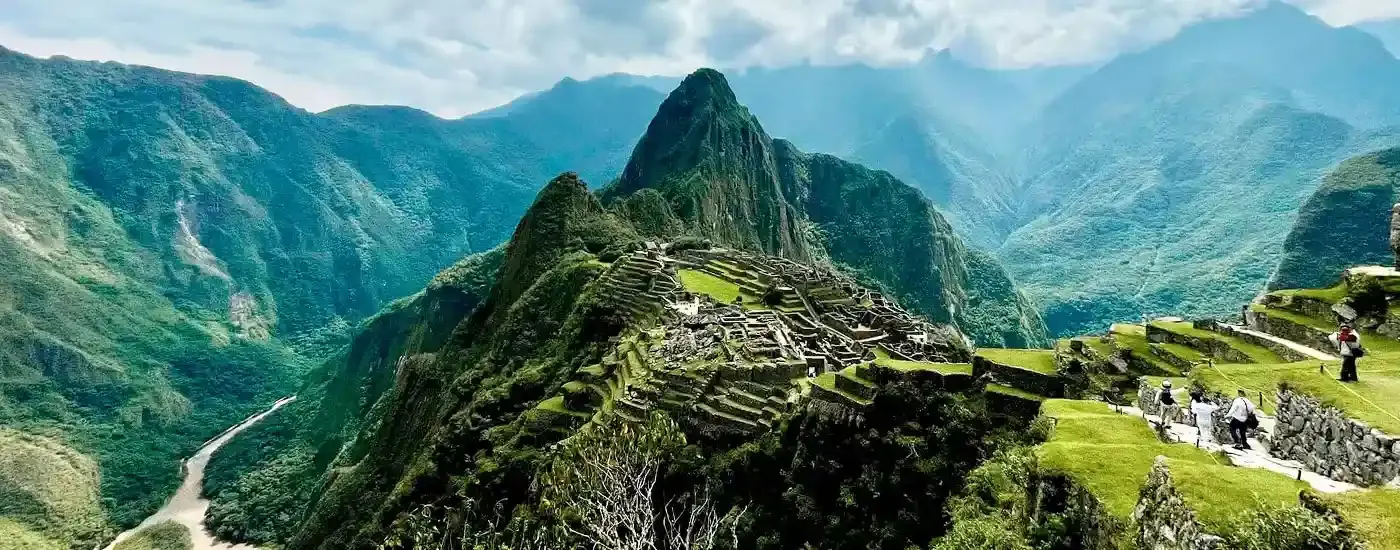
Every photographer who has stood at the classic overlook above Machu Picchu — camera raised, breath held, the citadel spread below in its impossible mountain setting — will tell you the same thing: nothing prepared them for the moment. Not the photographs they had studied for years. Not the documentaries. Not the descriptions of people who had been before. The place itself, in its actual light and actual silence, surrounded by its actual mountains, is something categorically different from any image of it. And that gap — between what photography can capture and what the place actually is — is precisely what makes a Machu Picchu photography tour one of the most challenging and most rewarding assignments a photographer can undertake.
Machu Picchu sits at 2,430 meters in the Cusco Region of Peru, a 15th-century Inca citadel built on a narrow ridge between two mountain peaks and rediscovered by the outside world in 1911. It is a UNESCO World Heritage Site, one of the New Seven Wonders of the World, and the single most photographed location in South America. The challenge for the serious photographer is precisely that ubiquity: how do you make photographs of a place that has been photographed millions of times and still find something genuine, something that belongs to your particular eye and your particular moment? The answer, as every good Machu Picchu photography tour guide will tell you, begins long before you raise the camera.
Why a Dedicated Photography Tour Changes Everything
Visiting Machu Picchu as part of a standard tour and visiting on a dedicated Machu Picchu photography tour are experiences so different they barely share a name. The standard visitor arrives, walks the designated route, takes photographs from the designated viewpoints, and departs — often within three or four hours. The photography tour participant arrives before the gates open, positions themselves for the blue hour light, and stays through the shifting drama of the morning atmosphere — the mist rising and falling over the terraces, the sun breaking through cloud cover to illuminate single sections of ruin while others remain in shadow, the llamas moving unconcernedly through the ancient plazas.
A specialist photography guide brings knowledge that transforms this experience: which viewpoints deliver the best foreground-to-background depth, which hours produce the most dramatic sidelight on Huayna Picchu, how to read the cloud patterns that determine whether the morning will offer mist photography or clear-sky architectural work. This is knowledge accumulated over dozens of visits, across every season, and it changes not just the photographs but the entire quality of attention the photographer brings to the site.
“Machu Picchu rewards the photographer who waits. The mist does not perform on schedule. The light does not hurry. The citadel has been here for six centuries and it has no interest in your departure time.”
The Six Essential Photography Spots at Machu Picchu
A well-planned Machu Picchu photography tour prioritizes specific locations within and around the citadel based on time of day, weather, and the type of work each photographer is pursuing. These six positions represent the site’s photographic core.
01
The Classic Overlook
DAWN · BLUE HOUR
The terraced panorama with Huayna Picchu rising behind — the definitive Machu Picchu composition. Arrive 30 minutes before sunrise for mist and soft graduated light.
02
Sun Gate (Inti Punku)
EARLY MORNING
A 45-minute hike above the citadel yields an elevated perspective unavailable from below — the ruins framed by cloud forest and the full valley beyond.
03
The Intihuatana Stone
MID MORNING
The sacred hitching post of the sun, carved from living rock, offers intimate architectural photography and powerful symbolic framing against sky and peak.
04
Agricultural Terraces
ANY LIGHT
The cascading terraces on the southern face reveal the full engineering genius of Inca agriculture — geometric lines that reward wide-angle compositions and overcast diffused light.
05
The Temple of the Sun
GOLDEN HOUR
The curved stonework of the Temple of the Sun catches late afternoon sidelight beautifully — revealing the texture and precision of Inca masonry in exquisite relief.
06
Huayna Picchu Summit
MORNING · LIMITED
Only 400 permits daily. The steep summit trail delivers a vertiginous aerial perspective of the entire citadel — the most dramatic and least replicated viewpoint available.
Reading the Light: A Photographer’s Daily Timeline
Light management is the central discipline of any Machu Picchu photography tour. The site’s orientation and its mountain setting create a predictable but endlessly variable light sequence across the day — one that the prepared photographer can plan for, and the unprepared photographer will simply miss.
5:00 – 6:00 AM
Pre-Dawn Blue Hour
Deep blue sky, mist heavy in the valley below. Long exposures reveal the citadel in near-darkness. The rarest and most atmospheric light of the entire day.
6:00 – 7:30 AM
Golden Hour Sunrise
Warm directional light from the east strikes Huayna Picchu and the upper terraces. Mist begins to lift. The citadel glows. This is the hour every serious photographer targets.
7:30 – 10:00 AM
Dynamic Cloud Drama
Crowds begin arriving; mist creates dramatic partial reveals. Cloud shadows move across terraces producing constantly changing chiaroscuro. Ideal for patient, reactive shooting.
10:00 AM – 2:00 PM
High Overhead Light
Harsh midday light flattens the stonework. Best used for detail and macro photography of Inca masonry, flora, or resting llamas. Most professional photographers take a break.
2:00 – 5:30 PM
Afternoon Golden Return
Afternoon sidelight from the west illuminates the western temples and agricultural terraces with long shadows. Crowds thin. The second great window of the photography day.
Essential Gear for a Machu Picchu Photography Tour
Packing correctly for a Machu Picchu photography tour means balancing optical quality against physical practicality — you will be on your feet for six to eight hours across uneven stone, often in alternating sunshine and rain, at an altitude where an overweight pack compounds the fatigue of thin air considerably.
Wide-Angle Zoom (16–35mm)
The essential lens. Captures the full spatial drama of the citadel and the relationship between ruins and mountain skyline.
Mid-Range Zoom (24–70mm)
Versatile workhorse for architectural details, llama portraits, and compressed mid-ground compositions of terraces and peaks.
Circular Polarizer Filter
Cuts atmospheric haze at altitude, deepens sky blues, and controls glare off wet stone after rain — arguably the most valuable single accessory.
Lightweight Travel Tripod
Essential for blue hour long exposures and sharp telephoto work. Carbon fibre keeps weight manageable on the long approach walks.
Spare Batteries × 3
Cold altitude temperatures drain batteries at twice the normal rate. Three spares kept warm in an inner pocket is the minimum sensible provision.
Weather-Sealed Body + Rain Cover
The cloud forest earns its name. Weather sealing is non-negotiable; a lightweight rain cover for the camera bag provides essential backup protection.
Permits, Access, and Practical Planning
DAILY LIMIT
4,500 visitors across timed entry slots
FIRST ENTRY
6:00 AM — book the earliest slot available
HUAYNA PICCHU
400 permits daily — book months ahead separately
BEST MONTHS
May–Sept (dry) · Oct–Nov (mist, fewer crowds)
ACCESS
Train to Aguas Calientes, then bus or trek
STAY NEARBY
Aguas Calientes — arrive the night before dawn entry
-
Book the 6:00 AM entry slot — the first hour belongs to photographers, not tourist crowds, and the light is irreplaceable.
-
Stay in Aguas Calientes the night before — commuting from Cusco on the morning of your shoot adds exhaustion and risks delays.
-
Shoot in RAW format to retain full dynamic range across the extreme contrast of mist, shadow, and direct Andean sunlight.
-
Visit on two separate days if your schedule permits — weather, light, and crowd density vary enormously between visits.
-
Bring a lightweight packable rain jacket and cover your camera bag — afternoon rain can arrive without warning in any month.
-
Follow your guide’s advice on composition restraint — the temptation to shoot everything is the enemy of shooting anything well.
The Machu Picchu Photography Tour Experience
What separates a Machu Picchu photography tour from any other form of visit to the site is ultimately not the gear list or the permit strategy or the knowledge of optimal viewpoints — it is the quality of attention the tour encourages. When the purpose of a visit is to take photographs rather than simply to be present, a different and deeper kind of looking takes over. You notice the way a single cloud shadow transforms the mood of the entire citadel. You observe how the terraces change color across the hour as the sun climbs. You wait, camera ready, for the moment the mist parts over Huayna Picchu and the mountain reveals itself with the abruptness of a stage curtain rising.
That waiting — patient, fully present, visually alert — is itself a form of communion with a place that the hurried visitor never accesses. The ruins are six centuries old. They have no urgency. A Machu Picchu photography tour places you in the same time signature as the stones themselves, and the photographs that emerge from that alignment carry something that technical excellence alone can never supply: the sense that the photographer was truly, completely there.
