

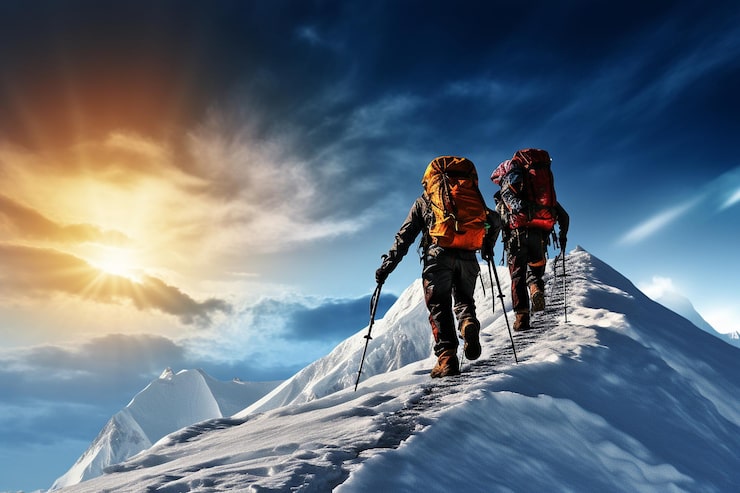
Adventure travel has become one of the fastest-growing segments of global tourism. From the snow-capped Himalayas of Nepal to the scenic trails of Patagonia and the majestic Alps, travelers are seeking immersive outdoor experiences that combine excitement with natural beauty. However, these journeys also come with unique challenges, making Guided Trekking and Travel Insurance two of the most important investments for any trekking adventure.
A guided trek offers expert local knowledge, enhanced safety, cultural insights, and logistical support, while comprehensive travel insurance provides financial protection against unexpected events such as medical emergencies, trip cancellations, lost luggage, or emergency helicopter evacuations. Together, they create the perfect foundation for a secure, comfortable, and memorable trekking experience.
This guide explains why both guided trekking and travel insurance are essential, what to look for when choosing them, and how they contribute to a luxury adventure that balances exploration with peace of mind.
What Is Guided Trekking?
Guided Trekking refers to hiking adventures led by experienced professional guides who possess extensive knowledge of the trail, local culture, weather conditions, wildlife, and emergency procedures. Instead of navigating independently, travelers benefit from expert leadership throughout the journey.
Professional trekking guides typically handle:
-
Route planning
-
Safety management
-
Navigation
-
Accommodation arrangements
-
Meals and logistics
-
Cultural interpretation
-
Emergency response
-
Communication with local communities
Guided trekking transforms an ordinary hiking trip into a well-organized adventure where travelers can focus on enjoying nature rather than worrying about logistics.
Benefits of Choosing Guided Trekking
Enhanced Safety
Safety remains the biggest reason travelers choose guided trekking.
Professional guides monitor trail conditions, weather forecasts, altitude-related symptoms, and overall group wellbeing. Their experience enables them to make quick decisions when conditions change unexpectedly.
This significantly reduces the risks associated with mountain travel.
Local Knowledge
Experienced guides know hidden viewpoints, less-crowded trails, authentic villages, and cultural landmarks that many independent travelers miss.
They explain local customs, traditions, wildlife, flora, history, and regional lifestyles, creating a richer travel experience.
Stress-Free Logistics
Planning a multi-day trek involves numerous details including:
-
Permits
-
Transportation
-
Accommodation
-
Meals
-
Porters
-
Equipment
-
Emergency planning
Guided trekking companies organize every aspect, allowing travelers to enjoy a seamless adventure.
Better Cultural Experiences
Many guided treks include visits to traditional villages, monasteries, local markets, and family-owned tea houses.
Guides help bridge language barriers and encourage meaningful cultural interactions that independent travelers may struggle to experience.
Emergency Support
Unexpected situations can arise during any mountain expedition.
Professional guides are trained to respond to:
-
Injuries
-
Altitude sickness
-
Severe weather
-
Route changes
-
Lost equipment
-
Medical emergencies
Their expertise can make a critical difference during challenging situations.
Why Travel Insurance Matters for Trekking Adventures
Even the best-planned expedition can face unforeseen events.
This is where Travel Insurance becomes essential.
Travel insurance protects travelers financially when unexpected problems occur before or during the trip.
Rather than worrying about expensive emergency costs, travelers can focus on enjoying the journey.
What Should Travel Insurance Cover?
Not every travel insurance policy includes adventure sports or high-altitude trekking.
Before purchasing coverage, verify that your policy includes:
Emergency Medical Expenses
Medical treatment abroad can be expensive.
Quality travel insurance covers:
-
Hospitalization
-
Doctor visits
-
Medication
-
Emergency surgery
-
Ambulance services
Emergency Evacuation
One of the most valuable features for mountain trekking is emergency evacuation coverage.
In remote trekking destinations, helicopter rescue may be the fastest or only option.
Evacuation costs can reach thousands of dollars without insurance.
Trip Cancellation
Unexpected family emergencies, illness, or natural disasters may force travelers to cancel their trip.
Travel insurance helps recover prepaid expenses that might otherwise be lost.
Lost or Delayed Luggage
Adventure travelers often carry specialized equipment including:
-
Trekking boots
-
Jackets
-
Cameras
-
Hiking poles
-
Sleeping bags
Insurance helps cover losses if luggage is delayed or misplaced.
Personal Liability
Some policies include personal liability protection in case accidental damage or injury occurs during travel.
Guided Trekking Reduces Risk
Although travel insurance provides financial protection, guided trekking actively helps reduce many risks before they become emergencies.
Professional guides:
-
Select safer routes
-
Monitor weather
-
Adjust itineraries
-
Recognize altitude sickness early
-
Coordinate emergency evacuations
-
Communicate with rescue teams
This combination of prevention and preparedness greatly improves traveler safety.
Luxury Guided Trekking Experiences
Luxury adventure travel has evolved significantly.
Today’s premium guided trekking packages often include:
-
Boutique mountain lodges
-
Private transportation
-
Experienced certified guides
-
Personalized itineraries
-
Gourmet meals
-
Premium camping equipment
-
Wellness services
-
Flexible trekking schedules
Luxury guided trekking allows travelers to experience remote landscapes without sacrificing comfort.
Choosing the Right Guided Trekking Company
Not every operator offers the same level of service.
When comparing companies, consider:
Guide Experience
Look for licensed guides with years of mountain experience and first-aid certification.
Safety Record
Choose companies with established emergency procedures and strong customer reviews.
Small Group Sizes
Smaller groups often provide more personalized service and greater flexibility.
Transparent Pricing
A reputable operator clearly explains what is included, including permits, accommodation, meals, transportation, and guide services.
Local Expertise
Companies based in the trekking destination often provide deeper cultural experiences and better logistical support.
How to Choose the Best Travel Insurance
Selecting travel insurance requires careful consideration.
Look for policies that specifically include:
-
High-altitude trekking
-
Adventure activities
-
Emergency helicopter evacuation
-
Medical treatment abroad
-
Trip interruption
-
Personal belongings
-
24/7 emergency assistance
Always read policy exclusions before purchasing coverage.
Popular Guided Trekking Destinations
Adventure travelers around the world choose guided treks in destinations such as:
Nepal
Home to Everest Base Camp, Annapurna Circuit, Langtang Valley, and Manaslu Circuit.
Peru
The famous Inca Trail and surrounding Andean trekking routes.
Tanzania
Mount Kilimanjaro attracts climbers from around the world.
Switzerland
Luxury alpine trekking combines spectacular scenery with world-class hospitality.
New Zealand
Known for diverse landscapes and exceptionally maintained hiking trails.
Common Mistakes Travelers Should Avoid
Many first-time trekkers make avoidable mistakes.
These include:
-
Traveling without insurance
-
Choosing the cheapest guide
-
Ignoring altitude acclimatization
-
Packing unsuitable gear
-
Underestimating mountain weather
-
Skipping fitness preparation
-
Failing to review insurance coverage
Proper preparation greatly improves the overall trekking experience.
Preparing for Your Guided Trek
Preparation begins several weeks before departure.
Consider the following checklist:
-
Improve cardiovascular fitness
-
Purchase quality trekking equipment
-
Obtain travel insurance
-
Review vaccination requirements
-
Pack weather-appropriate clothing
-
Understand altitude risks
-
Share your itinerary with family
-
Carry copies of important documents
Preparation enhances both safety and enjoyment.
Sustainable Guided Trekking
Responsible trekking benefits local communities and protects fragile ecosystems.
Choose companies that:
-
Employ local guides and porters
-
Follow Leave No Trace principles
-
Minimize plastic waste
-
Respect local traditions
-
Support conservation initiatives
-
Promote ethical tourism
Sustainable travel ensures future generations can enjoy these remarkable destinations.
Why Guided Trekking and Travel Insurance Work Together
Neither guided trekking nor travel insurance should replace the other.
Instead, they complement each other perfectly.
Guided trekking minimizes risk through professional planning, local expertise, and real-time decision-making.
Travel insurance provides financial security if unexpected circumstances occur despite careful preparation.
Together they create a safer, more enjoyable, and more luxurious adventure experience.
Final Thoughts
Adventure travel offers unforgettable experiences, breathtaking landscapes, and meaningful cultural connections. Whether exploring the Himalayas, the Andes, the Alps, or other iconic mountain ranges, choosing Guided Trekking ensures expert support, local insight, and enhanced safety throughout your journey.
Equally important, investing in comprehensive Travel Insurance protects you from unexpected financial burdens, medical emergencies, trip disruptions, and evacuation costs. For modern adventure travelers seeking premium experiences without compromising safety, combining guided trekking with reliable travel insurance is the smartest decision.
By selecting an experienced trekking operator, preparing thoroughly, and securing the right insurance coverage, you can embark on every journey with confidence, comfort, and peace of mind—turning every mountain trail into a truly extraordinary adventure.