

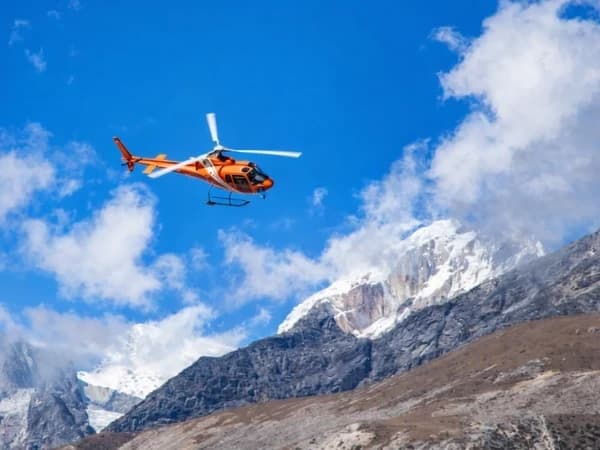
When people think about Everest, they usually picture towering peaks covered in snow.
What they rarely imagine are the people who have called these mountains home for generations.
Long before Everest became one of the world’s most famous trekking destinations, Sherpa communities were living, working, and building their lives in the Khumbu region. Their traditions, resilience, and deep respect for the mountains continue to shape every travel experience in this remarkable part of Nepal.
For anyone choosing the Everest Base Camp Trek with Helicopter Return, the landscapes are unforgettable—but the people often leave the deepest impression.
The journey becomes more meaningful when you understand the culture that has grown alongside the world’s highest mountains.
The Meaning Behind the Name “Sherpa”
Many people mistakenly use the word Sherpa to describe anyone who carries equipment during a mountain expedition.
In reality, Sherpa refers to an ethnic community with a rich history, unique traditions, and centuries-old connection to the Himalayas.
Their ancestors settled in the high mountain valleys generations ago, adapting to an environment where resilience and cooperation became essential parts of everyday life.
Learning this simple distinction helps travelers appreciate the culture with greater respect.
Villages That Reflect a Different Way of Life
Walking through the Everest region introduces visitors to communities where life moves at a pace very different from modern cities.
Stone houses stand beneath dramatic mountain backdrops.
Children walk to school along narrow trails.
Families welcome trekkers into locally owned teahouses that have served travelers for decades.
These villages aren’t tourist attractions created for visitors.
They’re living communities where tradition continues to shape daily life.
Spending time in these places gives travelers a genuine understanding of mountain living.
Hospitality That Feels Genuine
One of the first things many visitors notice is the warmth of the welcome.
Whether you’re arriving after a short walk or a challenging day on the trail, local teahouses provide more than food and accommodation.
They offer conversation.
Smiles.
Stories.
Simple acts of kindness.
These moments remind travelers that hospitality doesn’t depend on luxury. It comes from making people feel comfortable, respected, and at home.
For many visitors, these interactions become some of the most memorable parts of the journey.
Buddhism Shapes the Landscape
The Everest region is filled with symbols that reflect Buddhist beliefs.
Prayer flags dance in the mountain wind.
Stone mani walls line sections of the trail.
Prayer wheels spin quietly outside monasteries.
Rather than existing only as landmarks, these places remain active parts of community life.
Understanding their significance encourages travelers to slow down, observe respectfully, and appreciate the spiritual heritage that surrounds the trail.
Every Conversation Reveals Something New
Guides and local residents often share stories that never appear in guidebooks.
They explain seasonal festivals.
Talk about life during heavy snowfall.
Describe how villages have changed over the years.
Share memories of famous mountaineering expeditions.
These conversations add context to the landscapes around you.
Instead of simply seeing the Everest region, you begin to understand it.
Respect for the Mountains Is Part of the Experience
One lesson travelers quickly learn in the Everest region is that the mountains are never treated as something to conquer.
For Sherpa communities, these peaks hold deep cultural and spiritual importance. That respect influences daily life, local traditions, and even the way trekking is approached.
Visitors naturally begin adopting the same mindset.
Simple actions—such as walking respectfully through monasteries, asking permission before photographing local people, or following local customs—help create a more meaningful connection with the region.
Instead of feeling like tourists, travelers become respectful guests in someone else’s home.
Local Knowledge Makes Every Step More Meaningful
Maps can show trails.
Guidebooks can list attractions.
But neither can replace the insight of someone who has grown up in the Himalayas.
Local guides often point out details that many visitors would otherwise miss. They explain the stories behind ancient monasteries, identify distant Himalayan peaks, describe traditional farming practices, and introduce trekkers to customs that have been passed down for generations.
These insights transform an ordinary walk into an educational and cultural journey.
Understanding why a place matters often becomes just as rewarding as seeing it.
Preserving a Culture Through Responsible Tourism
Tourism has created opportunities for many families in the Everest region, but responsible travel plays an important role in protecting what makes the area special.
Choosing locally owned teahouses, hiring licensed Sherpa guides, respecting religious sites, and supporting ethical trekking companies all help strengthen local communities.
Responsible travelers also reduce waste, stay on designated trails, and follow Leave No Trace principles to help preserve the fragile mountain environment.
These small choices ensure that future visitors can experience the same authentic culture and natural beauty.
Where Adventure and Culture Meet
The most memorable Everest journeys are about more than reaching a famous destination.
They combine spectacular scenery with genuine cultural experiences.
If you’re planning the Everest Base Camp Trek with Helicopter Return, selecting an experienced local operator can make a significant difference. Mountain Magic Treks offers an itinerary that blends the classic Everest trekking route with meaningful interactions in Sherpa villages before concluding the adventure with a breathtaking helicopter return over the Himalayas.
It’s an experience that allows travelers to appreciate not only the mountains but also the people who give the region its unique identity.
The True Heart of the Everest Region
Ask someone about their Everest adventure a few years after they return.
They’ll certainly remember the mountains.
But many will also remember the guide who encouraged them during a difficult climb, the family who served them dinner in a cozy teahouse, or the quiet moments spent listening to stories about life in the Khumbu Valley.
Those human connections often become the most treasured part of the journey.
The mountains may inspire people to visit, but it’s the culture and hospitality that often inspire them to return.
Frequently Asked Questions
Who are the Sherpa people?
The Sherpa are an ethnic community native to the Himalayan region of Nepal. They are known for their rich cultural heritage, hospitality, and extensive experience in high-altitude mountain environments.
Will I experience Sherpa culture during the Everest Base Camp Trek with Helicopter Return?
Yes. The trekking route passes through traditional Sherpa villages where you’ll stay in local teahouses, visit monasteries, and learn about local customs from experienced guides.
Why is Sherpa culture important to the Everest experience?
Sherpa traditions, hospitality, and deep connection with the Himalayas add cultural depth to the trek, making the journey much more meaningful than simply reaching Everest Base Camp.
How can travelers respectfully engage with local communities?
Dress modestly at religious sites, ask permission before photographing people, support locally owned businesses, and follow your guide’s advice regarding local customs and traditions.
What makes this itinerary culturally rewarding?
In addition to the spectacular Himalayan landscapes, the Everest Base Camp Trek with Helicopter Return offers opportunities to interact with Sherpa communities, experience authentic mountain hospitality, and gain a deeper understanding of life in the Everest region.